English
 Español
Most flat irons press dry plates against the hair at 200°C or higher. The cuticle absorbs the heat, the moisture in the fiber evaporates, and the hair is reshaped by pressure. Do that a few times a week for a year, and the ends tell the story: split, brittle, dull. A steam hair straightener flat iron changes the sequence. It releases a fine mist of water vapor into the hair as the plates close, so the hair is temporarily hydrated and softened before it is pressed into shape. The result is smooth hair at a lower temperature, with noticeably less stress on the cuticle.
This article explains how steam straightening works, which hair types benefit the most, what specifications matter when you buy one, and what a capable OEM steam flat iron product line should include.
What Makes a Steam Flat Iron Different from a Regular One
A regular flat iron has two heated plates. The temperature is usually set between 180°C and 230°C. The contact time is short, but the surface temperature is high enough to break hydrogen bonds and reshape the hair. The downside is that dry heat also removes water from the cortex. With repeated styling, the hair loses elasticity and the cuticle edges begin to lift.
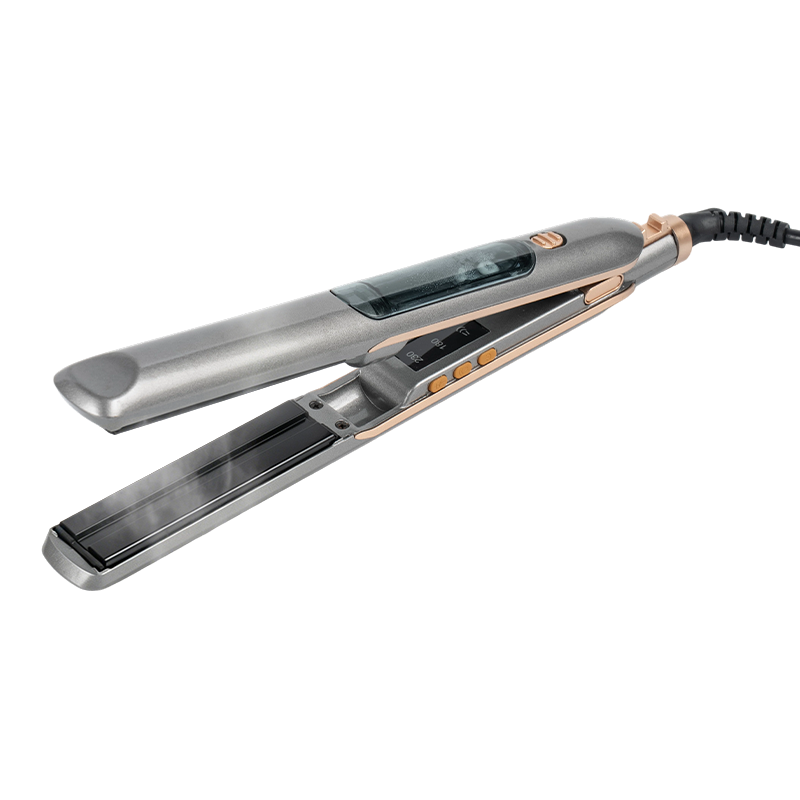
A steam flat iron adds a water reservoir and a steam generator. Water is heated into vapor and released through openings beside the plates. The vapor rewets the hair immediately before the plates close. Because wet hair conducts heat more efficiently than dry hair, the plate temperature can be lowered without losing straightening effect. You get a similar result with less thermal input, and the hair is left with added moisture instead of being further dried.
The Main Benefits of Steam Straightening
The benefit users notice first is less damage. Steam reduces the amount of dry heat required and keeps the hair pliable during the pass. The table below compares the two approaches in practical terms.
| Aspect | Dry Flat Iron | Steam Flat Iron |
|---|---|---|
| Typical plate temperature | 180-230°C | 160-200°C |
| Moisture delivered during styling | No | Yes, through steam vapor |
| Effect on frizz | Variable | Generally smoother and calmer |
| Suitability for dry or damaged hair | Less suitable | Better suited |
| Styling speed | Fast | Slightly slower, but gentler |
Beyond that comparison, four benefits matter most to consumers:
- Lower heat, less protein loss. Steam allows effective straightening at lower temperatures, which reduces stress on the hair's keratin structure.
- Easier glide on resistant hair. Wavy and curly hair tends to catch on dry plates. The vapor film helps the plates slide without pulling.
- Better frizz control. Reintroducing moisture neutralizes static and helps the cuticle lie flat.
- Healthier-looking shine. The combination of moisture and moderate pressure produces a smoother surface that reflects light more evenly.
Which Hair Types Benefit Most
Steam straightening is not a universal replacement for every flat iron. In our experience developing styling appliances, it works best for:
- Wavy and curly hair that resists a single dry pass and requires repeated touching up.
- Fine or fragile hair where high plate temperatures cause breakage.
- Color-treated hair, which already has increased porosity and cannot tolerate the same heat as virgin hair.
- High-frequency stylers who straighten several times a week and need a gentler daily option.
One exception is worth noting. Very thick, coarse hair sometimes requires more heat than a steam plate can deliver in a single pass. Some users with this texture prefer a high-temperature dry iron for a first pass and a steam iron for finishing. That is a legitimate use case, not a failure of the technology.
What to Look for in a Steam Flat Iron
Whether you are buying one for personal use or evaluating units for a private-label project, these specifications separate a capable steam straightener from a weak one.
Plate material and construction
Titanium plates heat quickly and glide well. Ceramic and tourmaline coatings distribute heat evenly and add negative-ion output. Floating plates matter because they maintain even pressure on the curves of the head.
Temperature control
Look for digital temperature displays with precise settings, not just a dial. A good steam straightener should let you select a temperature in the 160-200°C range in 5-10°C increments. The maximum temperature matters less than the accuracy of the control system.
Steam delivery system
The vapor should be fine and consistent, not dripping or spurting. Check where the steam outlets are located and how easily the reservoir can be refilled. A removable tank is more practical for cleaning than a built-in one.
Safety features
Because steam irons combine electricity, water, and heat, safety is a higher priority than with dry irons. Automatic shut-off, overheat protection, a locking plate, and an insulated barrel are essential. For deeper guidance, this article on how to tell if a hair straightener is safe covers the key inspection points.
What a Strong OEM Steam Product Line Looks Like
From a manufacturing perspective, the most reliable signal of a supplier's steam competence is the depth of its product line. Companies that treat steam as a side feature usually offer one entry-level iron. Companies that have developed separate steam products for different hair concerns tend to have real experience with steam chambers, pumps, nozzle design, and scale prevention.
For example, the steam range from Cixi Ya Yi Electrical Appliance includes a nanoscale steam balance hair straightener as the core flat iron in the series. The same line extends into different form factors: a steam atomizing water ion hair conditioner handles volume and moisture infusion, while a steam aqua atomized styling comb covers combination styling and detangling. That kind of separation, by function and by form factor, shows the supplier has worked through the practical problems of steam generation and delivery.
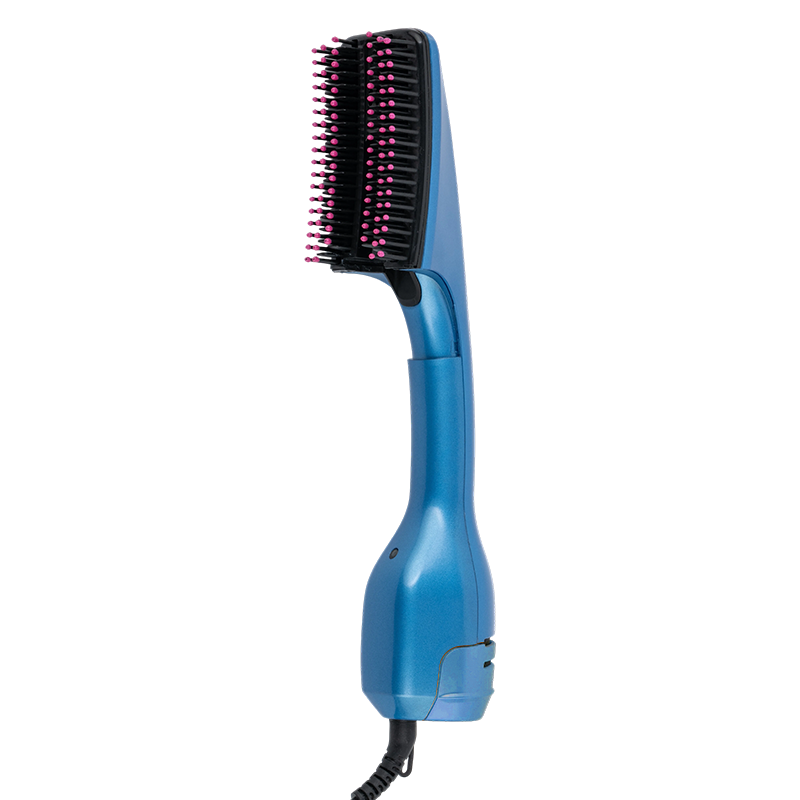 Wholesale MXN-688 Steam Aqua Atomized Styling Comb Suppliers, Factory - Cixi Ya ArrayView Product →
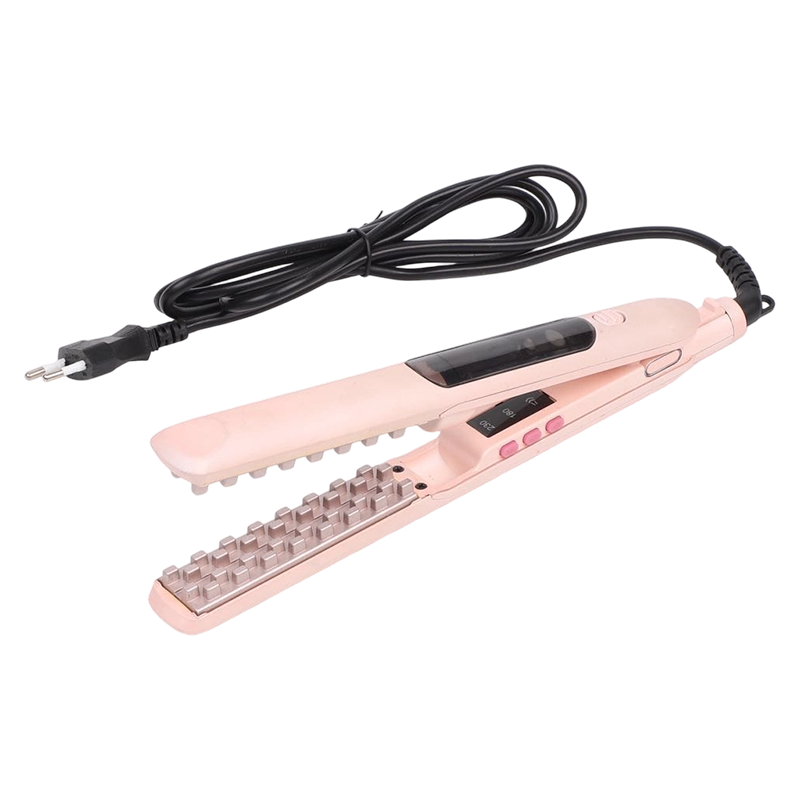 Wholesale MXN-303 Steam atomizing water ion hair conditioner Suppliers, Factory ArrayView Product →
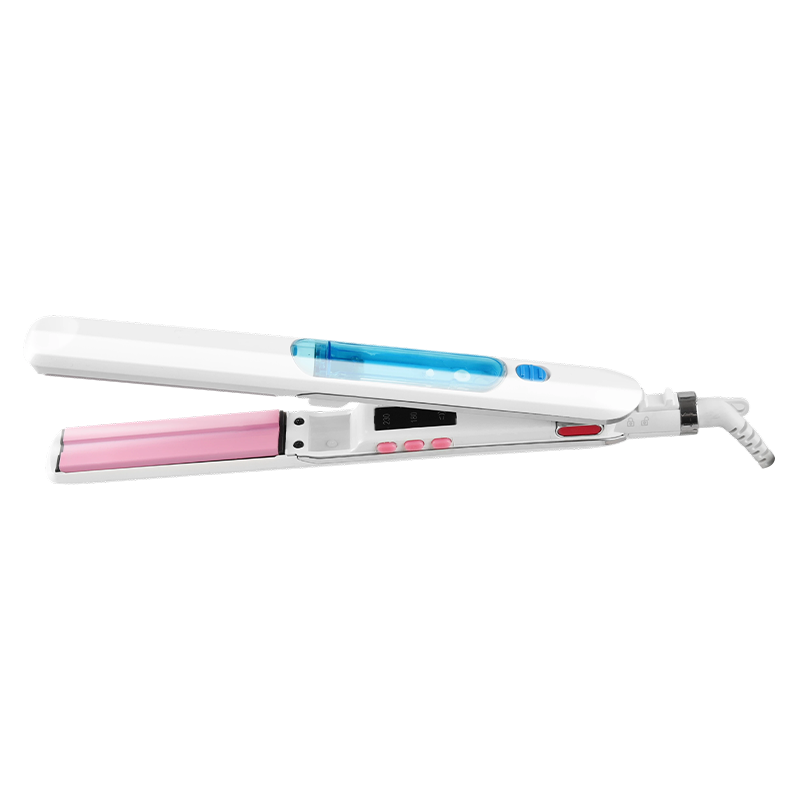 Wholesale MXN-302 Nanoscale Steam Balance Hair Straightener Suppliers, Factory -ArrayView Product →
When you evaluate an OEM partner, ask these questions:
- How many years has the factory been producing steam hair tools specifically?
- Can they provide drawings or samples of the steam chamber and nozzle design?
- What materials are used for the seals and water path, and are they scale-resistant?
- Do they have end-of-line testing that verifies steam output uniformity?
- Can they adapt the product for different price points, such as a basic steam iron versus a premium one with digital control?
These questions are more useful than a brochure that claims advanced steam technology without showing a product family to back it up.
How to Use a Steam Straightener Correctly
Getting the best results from a steam flat iron depends on technique as much as the tool itself.
- Use distilled or demineralized water. Tap water creates scale inside the steam chamber and shortens the life of the unit.
- Start at a lower temperature. Begin at 160°C and raise the setting only if the hair does not hold the shape.
- Work in small sections. Overloading the plates forces repeated passes, which adds heat exposure.
- Keep the plates moving. Pausing with the plates closed can overheat one section of hair.
- Clean the plates after use. A soft cloth removes styling product residue. Do not use abrasive pads.
- Empty the water tank before storage. Stagnant water can grow bacteria or leave mineral deposits.
Final Thoughts
Steam hair straightener flat irons are a genuine evolution of the classic styling tool, not a marketing trend. By adding moisture to the styling process, they reduce the thermal load on the hair and produce smoother, shinier results for most users. The technology is mature enough that manufacturers are now building dedicated steam lines with different form factors for different hair needs.
For consumers, the practical advice is simple: choose a unit with accurate temperature control, a well-designed steam delivery system, and solid safety features. For brands and importers, the priority should be finding a supplier whose steam product range demonstrates real engineering depth. The category is still growing, and buying decisions should be based on specifications, testing, and factory capability rather than buzzwords. To keep track of how heated styling products are evolving, the company's news section offers regular updates on styling technology and appliance safety.